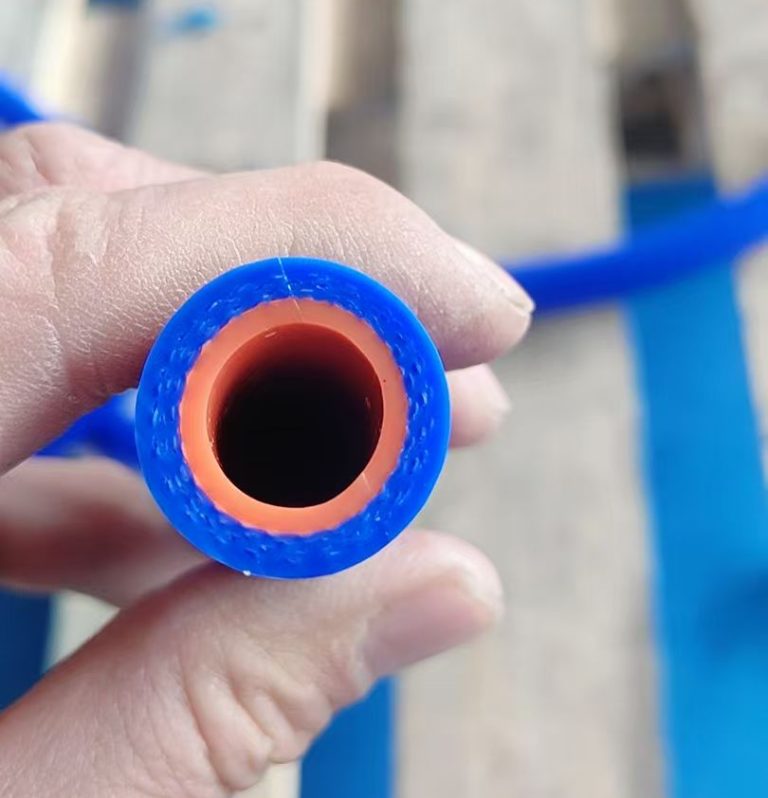
Silicone hoses are an indispensable part of modern automotive and truck engines. Their unique properties, such as the ability to withstand extreme temperatures and resist aging, make them ideal for demanding engine environments. In particular, they are extensively used in intercooler systems of performance and commercial vehicles, offering superior performance over traditional rubber hoses.
Here’s a closer look at how silicone hoses are used in automotive and truck engines:
1. Intercooler Systems
One of the primary uses of silicone hoses is in intercooler systems. Intercoolers play a crucial role in turbocharged and supercharged engines by cooling the air compressed by the turbocharger before it enters the engine. This improves engine efficiency and power output. Silicone hoses connect the intercooler to the engine, handling high-pressure airflow and extreme temperatures. Their heat resistance makes them perfect for this application, where regular rubber hoses may fail.
2. Radiator and Coolant Systems
Silicone hoses are also widely used in radiator and coolant systems in cars and trucks. These hoses circulate coolant between the engine and radiator, helping to regulate engine temperature. The flexibility and durability of silicone hoses allow them to perform reliably, even under continuous exposure to high engine temperatures and coolant chemicals, ensuring longer service life and reduced maintenance.
3. Air Intake and Turbocharger Connections
In turbocharged engines, silicone hoses connect the turbocharger to the intake manifold and air intake system. These hoses must handle both high temperatures from the turbo and vacuum pressures from the intake system. Silicone’s flexibility and resistance to cracking make it ideal for use in air intake and turbocharger systems, where consistent performance is critical.
Advantages of Using Silicone Hoses
- Temperature Resistance: Silicone hoses can operate in extreme temperatures, typically from -50°C to 260°C, without losing flexibility or strength.
- Durability: Unlike traditional rubber hoses, silicone hoses resist aging, cracking, and deterioration, even under high-pressure and harsh environmental conditions.
- Flexibility: Silicone hoses remain flexible across a wide range of temperatures, making them easier to install in tight engine compartments.
- Customization: At Bolnfil, we offer OEM customization for silicone hoses, including various sizes and shapes to fit specific automotive and truck engine applications.
Conclusion
Silicone hoses are crucial in optimizing engine performance and reliability in both cars and trucks, especially in intercooler, radiator, and air intake systems. Their resilience, temperature tolerance, and durability make them superior to conventional rubber hoses in many engine applications. If you’re looking for high-quality, custom silicone hoses for automotive or truck engines, Bolnfil offers a wide range of options tailored to your specific needs.
For more information on our silicone hose products or to discuss customization options, contact us today!