When dealing with hoses in industrial or automotive applications, it’s important to understand the differences between fuel hoses and hydraulic hoses. Although they might seem similar at first glance, their uses, materials, and design specifications are quite different.
1. Function
The primary difference between fuel hoses and hydraulic hoses lies in their intended applications. Fuel hoses are designed to transport gasoline, diesel, or other fuels in vehicles and machinery. They are typically found in fuel systems, delivering fuel from the tank to the engine.
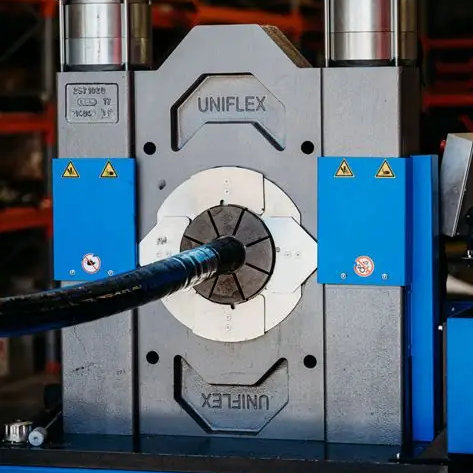
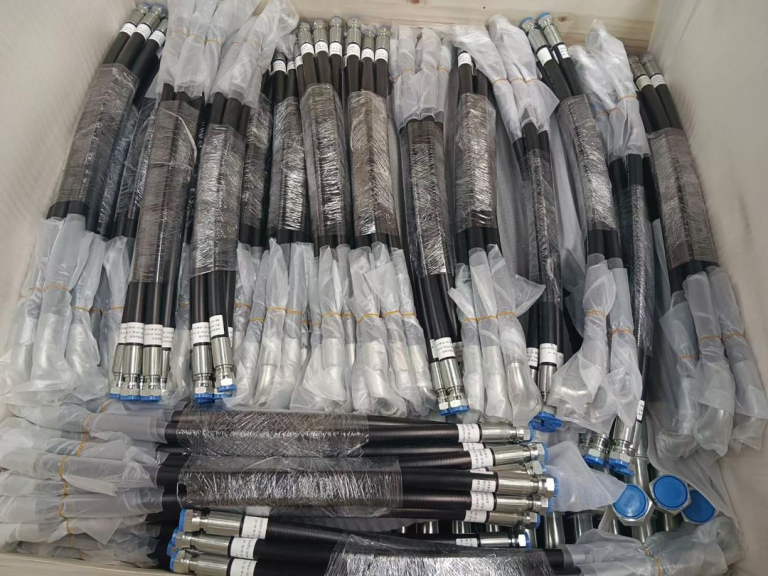
Hydraulic hoses, on the other hand, are built to carry high-pressure fluids in hydraulic systems. These systems power everything from heavy machinery to construction equipment, making the hose’s ability to withstand high pressure and intense conditions critical.
2. Material Composition
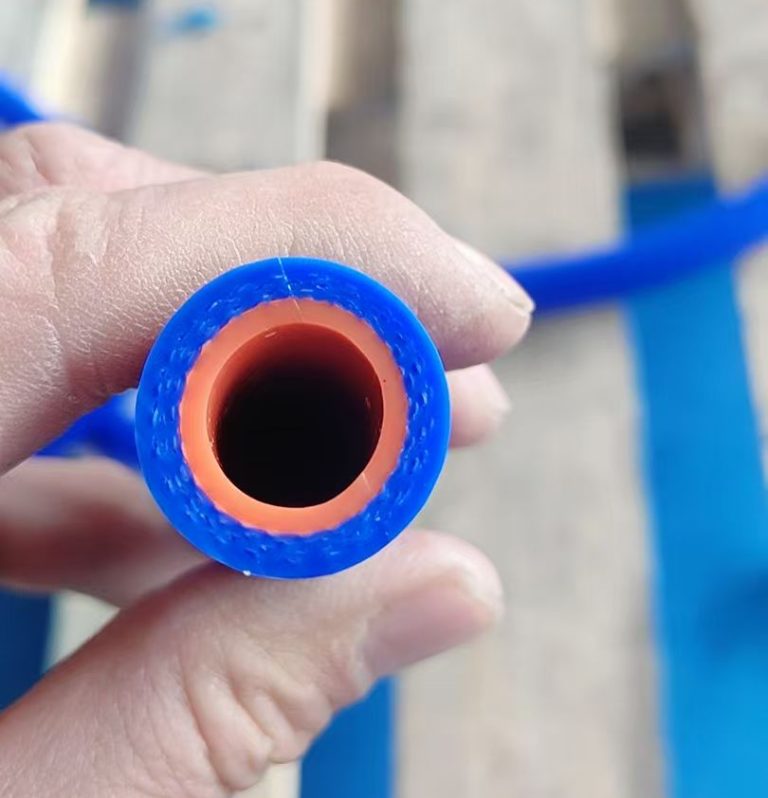
Fuel hoses are typically made from materials that are resistant to fuel, such as nitrile rubber or other fuel-compatible elastomers. These materials prevent fuel from causing the hose to deteriorate or swell, ensuring safe operation over time.
Hydraulic hoses, however, need to handle much higher pressure and often consist of layers of reinforcement such as braided steel or spiral-wound steel. They are designed with materials like synthetic rubber, thermoplastics, and reinforced steel layers to ensure durability and flexibility in tough working environments.
3. Pressure Rating
Another key difference is the pressure rating. Hydraulic hoses are built to handle extreme pressures, often reaching thousands of PSI, making them capable of withstanding intense conditions. Fuel hoses, in contrast, are designed for much lower pressure systems, usually under 100 PSI, as fuel systems don’t require the same level of force to transport liquids.
4. Temperature Resistance
Hydraulic hoses are engineered to endure a wider range of temperatures. In some cases, hydraulic systems can generate a lot of heat, so hoses must be able to handle both high and low temperatures. Fuel hoses also need to be temperature resistant, but not to the same extent as hydraulic hoses.
Conclusion
While both fuel hoses and hydraulic hoses are essential components in various mechanical and industrial systems, they serve very different purposes. Hydraulic hoses are designed for high-pressure applications in hydraulic systems, while fuel hoses are built to handle fuel transport under much lower pressure. Understanding these distinctions is crucial when selecting the right hose for a specific application.
For more information on choosing the right hose for your needs, feel free to contact us!