1. Importance of Safety
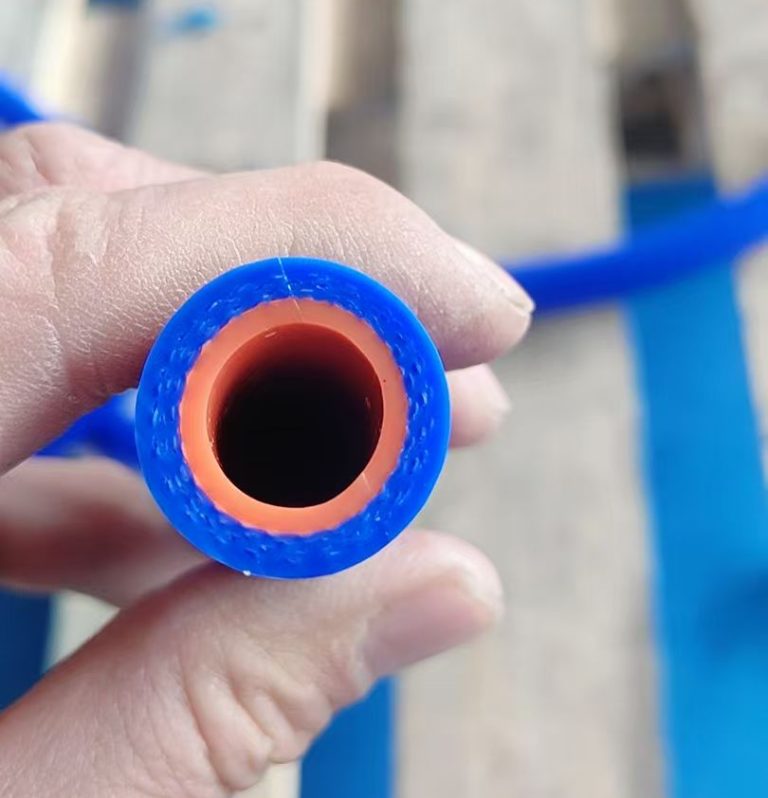
Hydraulic systems often involve high-pressure fluids, meaning that any incorrect connection can lead to serious consequences. By using hoses of different colors, operators can swiftly identify the function of each hose, such as red for oil pressure and blue for water pressure. This visual identification helps mitigate misunderstandings and errors.
2. Improving Work Efficiency
In complex hydraulic systems, operators frequently need to quickly distinguish hoses. Color coding significantly enhances work efficiency, especially in emergency situations. With visual cues from color, staff can quickly locate the correct hose, minimizing search time.
3. Ease of Maintenance and Inspection
During routine maintenance, color coding aids technicians in easily identifying hoses that need inspection or replacement. By employing a color-coded system, maintenance personnel can effectively create checklists to ensure every hose operates at its best.
4. Compliance with Industry Standards
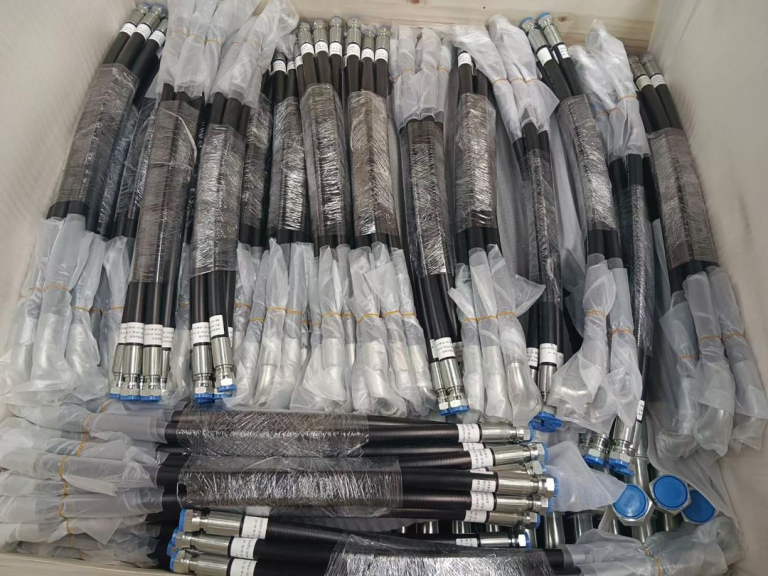
Many industries have regulations or recommendations for using specific colors to identify hydraulic hoses. Adhering to these standards not only enhances a company’s professional image but also ensures consistency with other suppliers or clients, reducing potential communication issues.
5. Custom Color Options
Many hydraulic hose manufacturers offer custom color options to meet specific client needs. This flexibility allows customers to choose according to their preferences, helping maintain consistency across different projects.
Conclusion
The color coding of hydraulic hoses plays a crucial role in ensuring system safety, enhancing work efficiency, and facilitating maintenance. Choosing the right color markings not only improves the operational experience for staff but also ensures the safe and efficient functioning of hydraulic systems. When designing and selecting hydraulic hoses, considering the application of color coding is undoubtedly a wise choice.