What is a Hydraulic Hose Assembly?
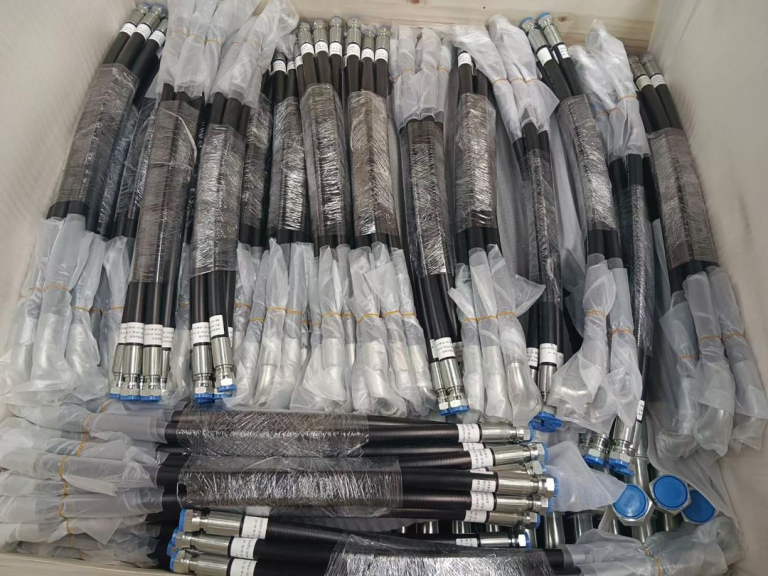
A hydraulic hose assembly consists of a hose, fittings, and adapters designed to channel hydraulic fluid within machinery. Proper assembly is crucial as it ensures the hose operates under specified pressures and maintains fluid integrity.
Key Components:
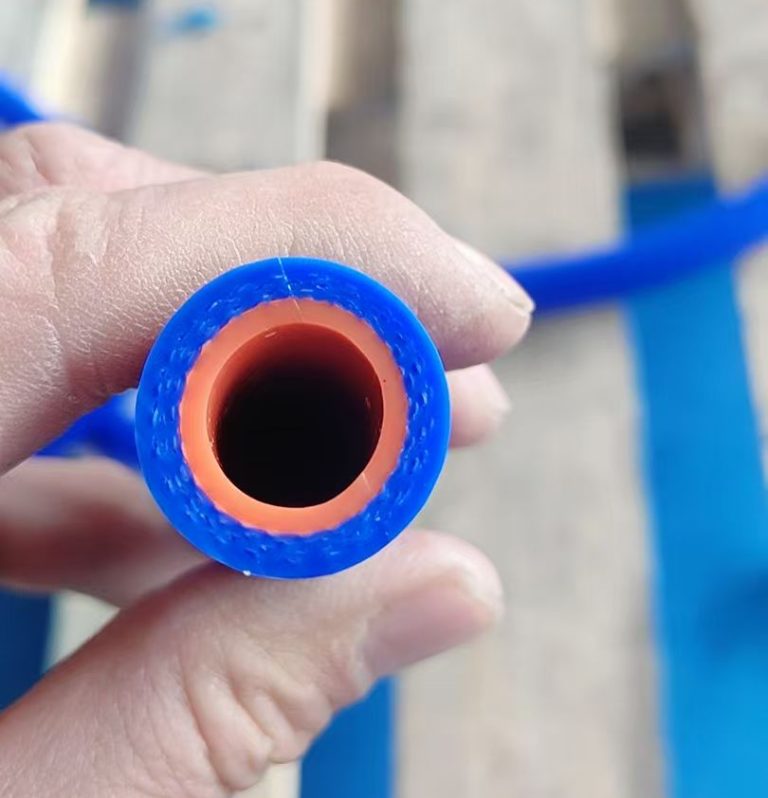
- Hydraulic Hose: Flexible tubing made from rubber or thermoplastic material.
- Fittings: Connectors that attach hoses to equipment or other hoses, often made of stainless steel or brass.
- Adapters: Enable different parts of the hydraulic system to connect seamlessly.
Steps for Proper Hydraulic Hose Assembly
- Choose the Right Hose: Select hoses based on pressure rating, temperature, and the type of hydraulic fluid.
- Cut the Hose to Length: Cut the hose to the required length, ensuring a clean cut to avoid leaks.
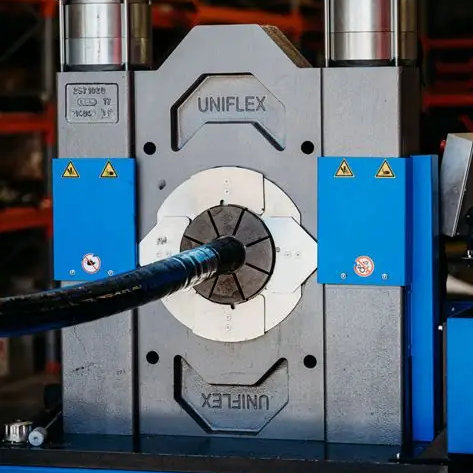
- Attach the Fittings: Secure the fittings using a crimping tool, ensuring a tight fit to prevent fluid leakage.
- Inspect for Leaks: Once the assembly is complete, test the hose under pressure to check for potential leaks or weaknesses.
Common Reasons for Hydraulic Hose Failures
Over time, hydraulic hoses may wear down due to the following reasons:
- Abrasion: External wear from rubbing against machinery or other surfaces.
- Incorrect Pressure: Operating under excessive or inadequate pressure can lead to premature failure.
- Improper Installation: Incorrect hose assembly or installation can cause kinks or pressure imbalances.
- Fluid Contamination: Dirt or debris in hydraulic fluid can cause damage to the hose’s inner tube.
How to Repair Hydraulic Hoses
While it’s always best to replace a damaged hose, in certain situations, a quick repair can restore functionality temporarily. Here’s how to handle basic hydraulic hose repairs:
- Identify the Problem: Inspect the hose for visible damage such as cracks, leaks, or wear.
- Remove the Damaged Section: Cut out the damaged area carefully using a hose cutter.
- Attach New Fittings: Install new hydraulic fittings using a crimping tool.
- Pressure Test: Once repaired, test the hose under pressure to ensure there are no leaks or weak spots.
When to Replace Instead of Repair
If the hose has extensive damage or signs of wear across its length, it’s better to replace the entire assembly. Relying on repairs in these cases may result in system failures or safety hazards.
Final Thoughts
Proper hydraulic hose assembly and timely repairs are essential for maintaining the longevity and performance of hydraulic systems. By regularly inspecting hoses and addressing issues early, you can prevent costly downtime and extend the lifespan of your equipment.