Construction and Design
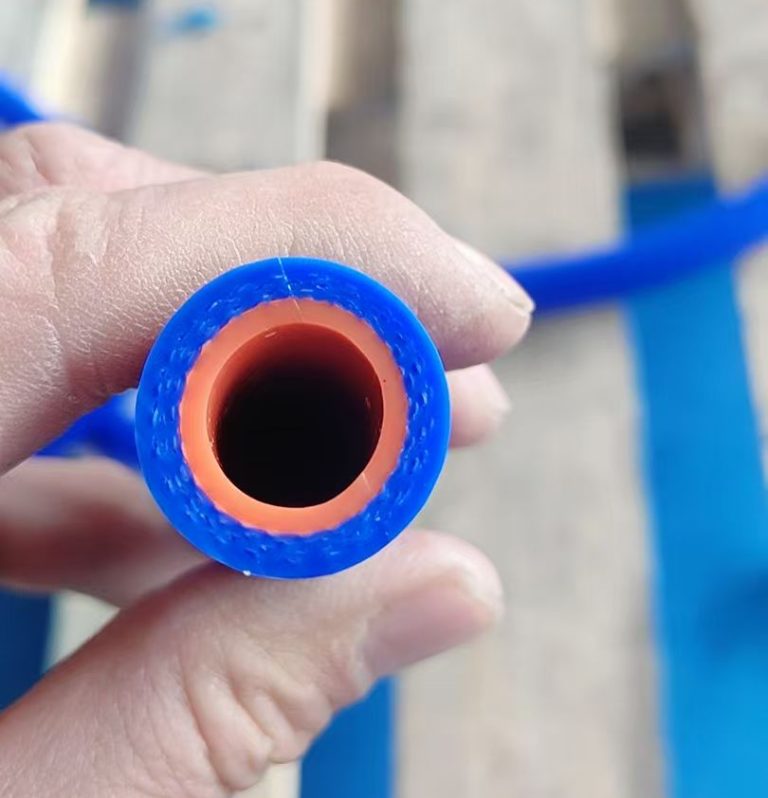
SAE100R2 hoses are designed with a two-wire braid reinforcement, allowing them to handle moderate to high pressure effectively. They typically have an inner tube made of oil-resistant synthetic rubber, providing good flexibility and durability. The temperature range for SAE100R2 hoses is between -40°F to 212°F (-40°C to 100°C), making them suitable for a wide range of environments.
In contrast, SAE100R17 hoses also feature a two-wire braid construction but are specifically designed for high-pressure applications. They have a thicker wall compared to SAE100R2, which contributes to their robustness and enhanced pressure ratings. Like SAE100R2, these hoses also have a temperature range of -40°F to 212°F (-40°C to 100°C).
Pressure Ratings
One of the primary distinctions between the two hoses lies in their pressure ratings. SAE100R2 hoses typically have a maximum working pressure of around 3,000 PSI (pounds per square inch). This pressure rating makes them suitable for various hydraulic applications, including construction machinery, agricultural equipment, and industrial systems.
On the other hand, SAE100R17 hoses boast a higher maximum working pressure, usually rated up to 4,000 PSI. This increased capacity makes them ideal for heavy-duty applications, such as in mining, oil and gas industries, and high-pressure hydraulic systems.
Flexibility and Bend Radius
When it comes to flexibility, SAE100R2 hoses are generally more flexible than SAE100R17 hoses. This flexibility allows for easier installation in confined spaces and minimizes the risk of kinking during operation.
SAE100R17 hoses, while slightly less flexible due to their thicker walls, offer improved performance under high-pressure conditions. They can accommodate tighter bend radii, making them suitable for applications where space constraints are a concern.
Applications
Both hose types serve vital roles in hydraulic systems but are suited for different applications based on their specifications. SAE100R2 hoses are commonly used in:
- Agricultural machinery
- Construction equipment
- Industrial hydraulic systems
In contrast, SAE100R17 hoses are favored for:
- Heavy-duty mining equipment
- Oil and gas machinery
- High-pressure hydraulic systems
Conclusion
In summary, the choice between SAE100R2 and SAE100R17 hydraulic hoses depends on the specific requirements of your application. If you need a versatile, flexible hose for moderate pressure, SAE100R2 is a great option. However, if your application requires higher pressure and durability, SAE100R17 is the more suitable choice.
Understanding these differences will help you select the right hydraulic hose, ensuring optimal performance and safety in your hydraulic systems. If you have any further questions or need assistance in selecting the right hose, don’t hesitate to reach out!