Purpose and Application
The primary difference between pressure washer hoses and hydraulic hoses lies in their intended use.
Pressure washer hoses are designed specifically for high-pressure water applications, such as cleaning surfaces with power washers. These hoses are commonly used in commercial, residential, and industrial settings where cleaning efficiency is a priority. They are built to handle water at high pressures and temperatures, often up to 4000 PSI, depending on the model.
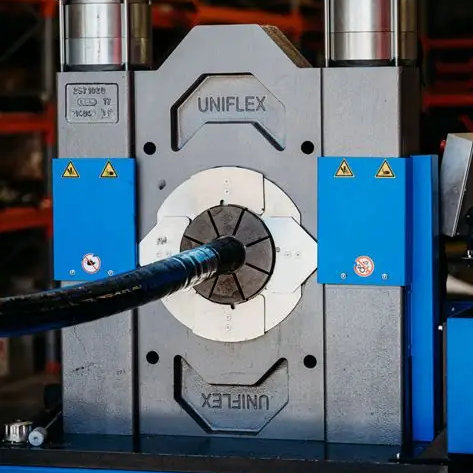
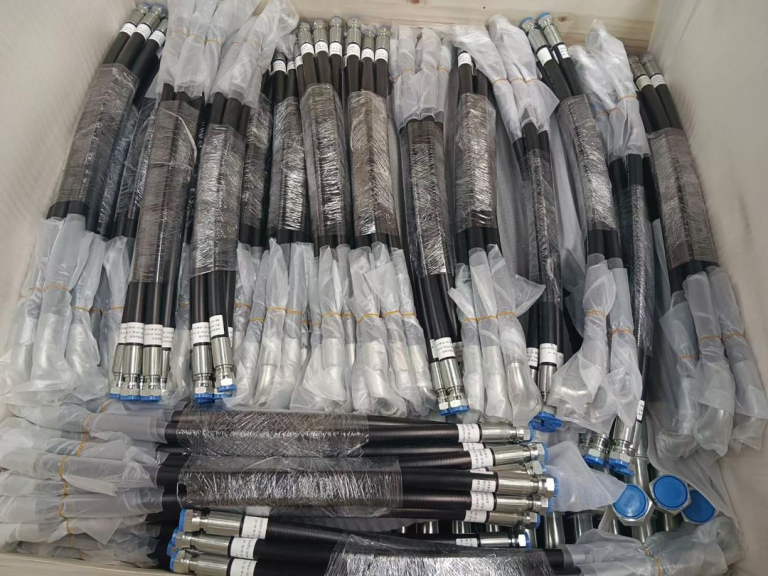
On the other hand, hydraulic hoses are designed to transport hydraulic fluids under extreme pressure. These hoses are used in hydraulic systems that power machinery and equipment, such as construction vehicles, agricultural machines, and industrial equipment. Hydraulic hoses are built to withstand high-pressure fluids, often reaching 10,000 PSI or more, depending on the application.
Pressure Handling
Both hose types are capable of handling high pressure, but the pressure ranges vary significantly.
Pressure washer hoses generally handle pressures between 2,000 and 4,000 PSI, depending on the model and use case. These hoses are optimized for water flow at high pressure to facilitate efficient cleaning.
Hydraulic hoses, in contrast, are built to manage much higher pressures—often exceeding 10,000 PSI in demanding applications. Hydraulic hoses are engineered to transport hydraulic fluids like oil, which requires far more robust construction to prevent leaks, ruptures, or damage under pressure.
Construction and Materials
The construction of both hoses reflects their specific applications:
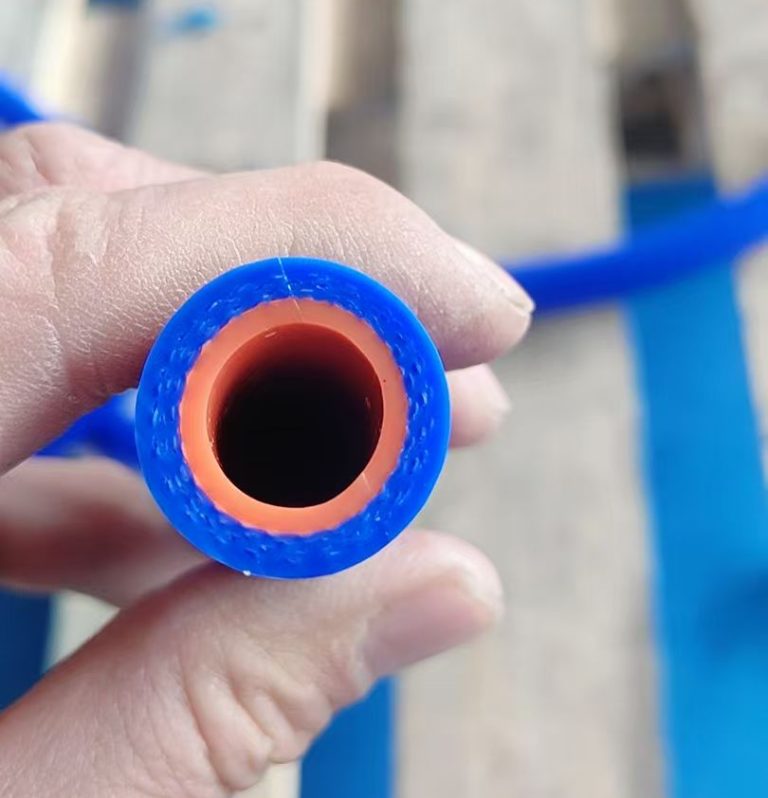
- Pressure washer hoses are typically made of rubber, thermoplastic, or polyurethane. These materials offer flexibility, durability, and resistance to abrasion while handling high-pressure water. Pressure washer hoses also have reinforced layers to prevent bursting under pressure.
- Hydraulic hoses, however, are built with multiple layers of steel wire or synthetic fiber reinforcement to withstand extreme pressures and prevent fluid leakage. They often feature oil-resistant inner and outer layers, designed to handle hydraulic oils and other fluids without degrading.
Temperature Tolerance
Temperature tolerance is another key factor.
- Pressure washer hoses are designed to withstand high water temperatures, often between 140°F and 300°F (60°C to 150°C), depending on the application. Hot water is frequently used in pressure washing to improve cleaning efficiency, so temperature resistance is essential.
- Hydraulic hoses, on the other hand, need to handle not only high temperatures but also fluid compatibility. These hoses are often rated for temperatures ranging from -40°F to 250°F (-40°C to 120°C), but some models can handle even higher temperatures based on the type of hydraulic fluid being used.
Flexibility and Bend Radius
Flexibility varies between the two types of hoses:
- Pressure washer hoses are designed to be relatively flexible, allowing for easy maneuverability around different cleaning surfaces. They typically have a tighter bend radius, making them suitable for moving around corners and through narrow spaces.
- Hydraulic hoses are generally less flexible due to their reinforced construction. While they are built to handle high-pressure fluids, they often have a larger bend radius and require more space to be properly installed.
Safety Considerations
When using either hose type, safety is paramount.
- Pressure washer hoses are at risk of bursting if misused or if the pressure rating is exceeded, but the consequences are generally limited to water damage or injury from high-pressure water streams.
- Hydraulic hoses, on the other hand, pose a more significant safety risk if they fail under pressure. Hydraulic fluid can escape at extremely high pressure, leading to injuries, machinery damage, or even fire hazards if the fluid is flammable. Proper installation, regular inspections, and correct usage are critical to ensuring the safety of hydraulic systems.
Conclusion
While both pressure washer hoses and hydraulic hoses are designed to handle high-pressure applications, their differences in construction, materials, and intended use make them suitable for very distinct purposes. Pressure washer hoses are best suited for high-pressure water applications, whereas hydraulic hoses are designed to handle high-pressure fluids in machinery and equipment.
Choosing the correct hose for your application will ensure safety, longevity, and optimal performance. If you’re unsure which hose type is right for you, feel free to consult a professional or reach out to a trusted supplier.