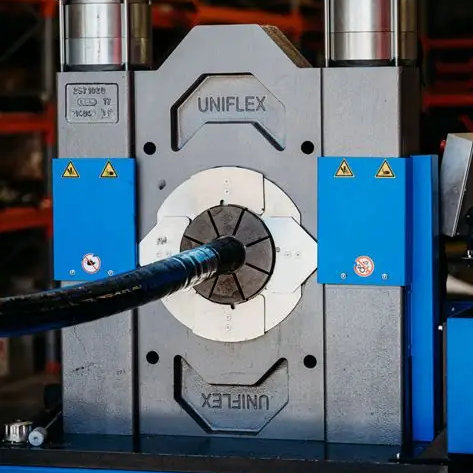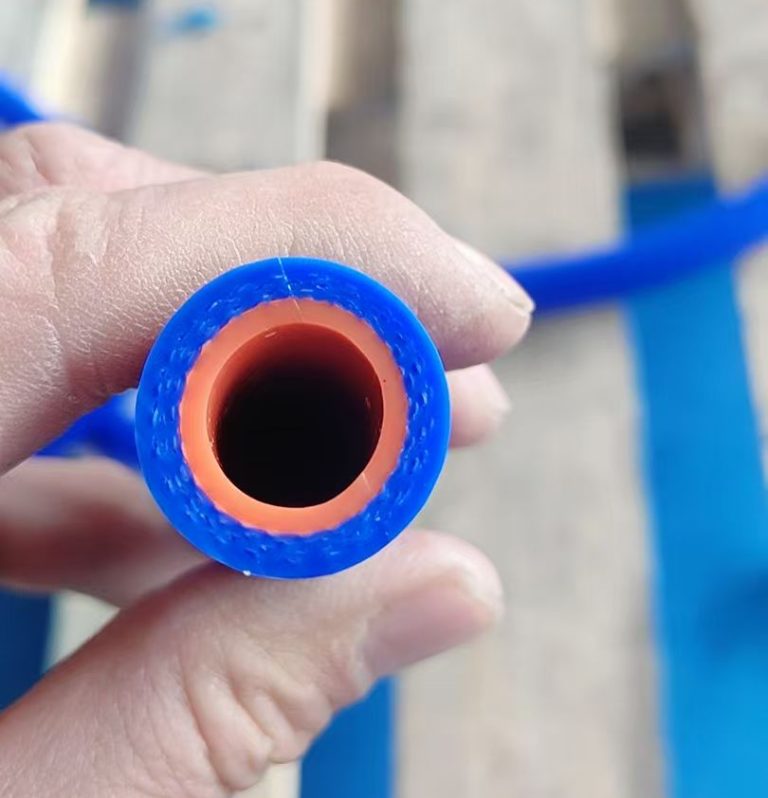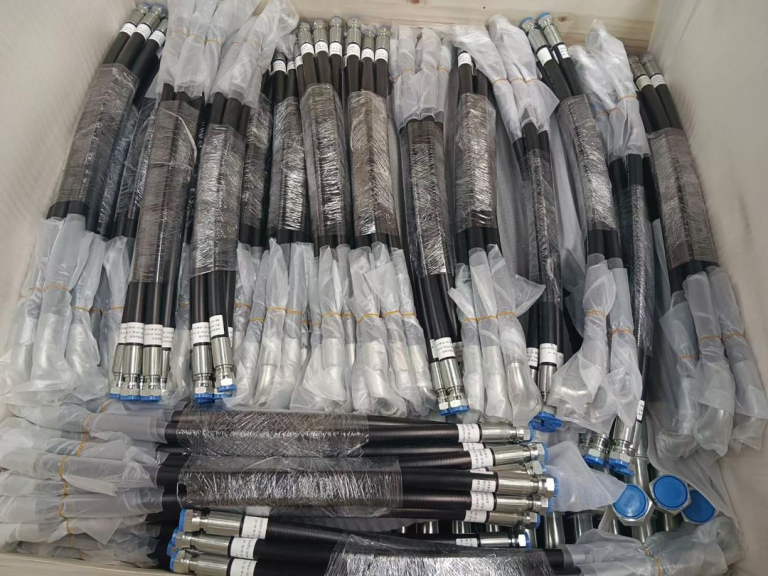
Hydraulic hoses are essential in various industries, from construction to manufacturing. They handle high-pressure fluids, making them critical to the performance of machines and equipment. However, improper handling, installation, or maintenance can lead to hazardous situations like leaks, ruptures, or even system failures. By following some key safety tips, you can prolong the life of your hydraulic hoses and ensure a safer working environment.
1. Inspect Hoses Regularly
Routine inspections are critical for identifying any damage or wear before a hose fails. Look for signs such as:
- Cracks
- Abrasions
- Leaks
- Bulges or kinks in the hose
- Damaged fittings
If any of these issues are found, the hose should be replaced immediately. Regular checks can prevent accidents and reduce downtime due to unexpected failures.
2. Proper Installation is Key
One of the most common causes of hydraulic hose failure is incorrect installation. Follow manufacturer guidelines for routing and installation to avoid:
- Sharp bends that could kink the hose or cause wear
- Excessive twisting or stretching
- Contact with hot surfaces that could damage the hose material
Ensure the hose is the right length and properly secured to prevent unnecessary movement or stress.
3. Use the Correct Hose for the Application
Hydraulic hoses are not one-size-fits-all. Always use hoses that are rated for the pressure and temperature requirements of your specific application. For example, high-pressure hoses like SAE 100 R1 or R2 are designed for specific industrial uses, and choosing the wrong hose type can result in leaks or bursting under pressure.
4. Check for Compatibility with Fluids
Ensure that the hydraulic hose material is compatible with the fluids in your system. Some fluids may cause the hose to degrade over time, leading to leaks or failures. Manufacturers typically specify the types of fluids that are safe for use with their hoses.
5. Maintain Proper Pressure Levels
Operating hydraulic hoses above their rated working pressure can cause them to wear out prematurely or burst. Always stay within the recommended pressure limits and monitor the system to ensure the pressure remains stable.
6. Replace Hoses When Necessary
Even if a hydraulic hose appears to be in good condition, it has a finite lifespan. Over time, the hose material can degrade, especially when exposed to harsh conditions. Follow the manufacturer’s guidelines for replacement intervals, and never exceed the hose’s recommended service life.
7. Wear Appropriate Personal Protective Equipment (PPE)
When working with hydraulic hoses, wear the necessary protective gear such as gloves, safety glasses, and protective clothing. In case of a hose failure, high-pressure fluid leaks can cause serious injuries, and PPE provides an added layer of safety.
8. Never Ignore Warning Signs
If you notice any unusual noises, leaks, or changes in performance, stop using the equipment and inspect the hydraulic system immediately. Ignoring warning signs can lead to catastrophic failures and significant safety risks.
Conclusion:
Proper care and attention to hydraulic hoses are vital for ensuring safe operation in any high-pressure system. Regular inspections, correct installation, and using the right hose for the job can help prevent accidents and prolong the life of your equipment. Following these safety tips will not only protect your workers but also improve the overall efficiency and reliability of your hydraulic system. For more information on hydraulic hose safety or to explore our range of high-quality hydraulic hoses, contact Bolnfil today.