Common Hydraulic Hose Failures and Solutions
- Abrasion
- Issue: Hydraulic hoses are often exposed to harsh environments, and constant rubbing against surfaces can cause abrasion. This wears down the outer layer of the hose, exposing the internal reinforcements to damage.
- Solution: To prevent abrasion, use hose sleeves or guards to protect the hose from friction. Additionally, reroute hoses to reduce contact with rough surfaces, and consider using hoses with an abrasion-resistant outer cover.
- Incorrect Assembly
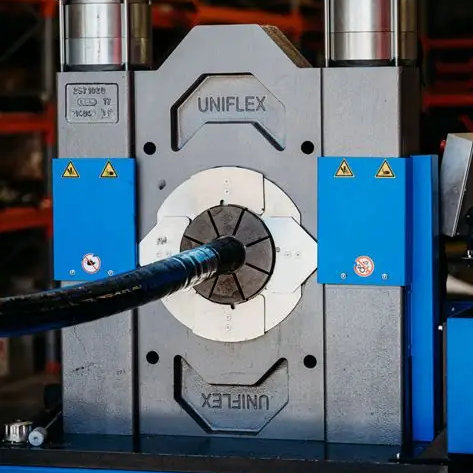
- Issue: Improper fitting connections or wrong assembly practices, like under or over-tightening, can lead to leaks or hose detachment. This issue can cause inefficient fluid transfer or even dangerous hydraulic system failures.
- Solution: Ensure proper training for personnel handling hose assembly. Always follow the manufacturer’s guidelines for fitting installation and torque specifications. Regular inspections should also be carried out to verify the integrity of hose connections.
- Fluid Compatibility
- Issue: Hydraulic hoses are designed for specific types of fluids. Using fluids that are incompatible with the hose material can cause deterioration, swelling, or hardening of the hose, leading to leaks or bursts.
- Solution: Always verify fluid compatibility before using a hose. Consult with the hose manufacturer to ensure that the materials used in the hose are suitable for the intended fluid. If necessary, switch to hoses designed to handle different fluids.
- Excessive Pressure
- Issue: Hydraulic hoses have pressure ratings, and exceeding these limits can cause the hose to burst or leak. Over-pressurization weakens the hose structure, reducing its lifespan.
- Solution: Ensure that your hydraulic system operates within the recommended pressure range of the hose. Regularly check pressure levels and upgrade to hoses with higher pressure ratings if necessary.
- Temperature Extremes
- Issue: Hoses exposed to extreme heat or cold can suffer from material degradation. High temperatures can soften the hose material, while low temperatures can make the hose brittle, both of which can lead to cracks or ruptures.
- Solution: Choose hoses with temperature ratings suitable for your working environment. Insulating hoses in high-heat areas or using specialized hoses for extreme temperatures can prevent failures.
- Hose Kinking and Twisting
- Issue: Kinking and twisting occur when hoses are bent beyond their minimum bend radius or installed incorrectly. This can restrict fluid flow, cause leaks, or lead to hose rupture.
- Solution: Follow the manufacturer’s recommendations for bend radius and routing. Use hose clamps or support brackets to maintain proper alignment, preventing twisting and kinking.
Preventive Measures
- Regular Inspections: Conduct routine inspections to identify any wear, leaks, or damage. Address issues before they become major failures.
- Proper Storage: Store hoses in a cool, dry place away from direct sunlight or chemical exposure. This prolongs the hose’s shelf life.
- Training: Ensure that employees are trained in the proper handling, installation, and maintenance of hydraulic hoses to avoid common errors.
Conclusion
Understanding common hydraulic hose failures and their solutions is essential for maintaining safe and efficient hydraulic systems. By addressing issues like abrasion, improper assembly, fluid compatibility, excessive pressure, and temperature extremes, you can extend the lifespan of your hoses and reduce downtime. For reliable hydraulic hose solutions, Bolnfil offers a wide range of high-quality products designed to withstand demanding applications.
For more information, feel free to contact us or download our product catalog.