In any hydraulic system, the proper hose diameter plays a critical role in its performance and durability. Understanding both the internal diameter (ID) and outer diameter (OD) is essential for choosing the correct hose size, which in turn affects the flow rate, pressure handling, and overall efficiency. In this guide, we’ll explore how ID and OD impact hydraulic hoses and provide insights to help you make an informed decision.
1. What is Internal Diameter (ID)?
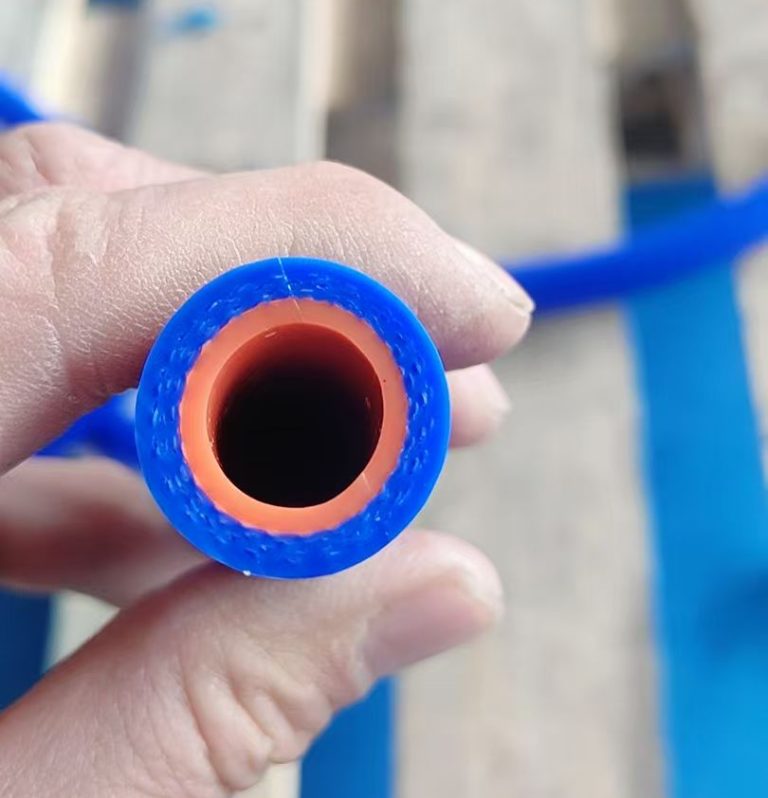
The internal diameter (ID) of a hydraulic hose is the measurement of the empty space inside the hose where fluid flows. It directly impacts how much fluid can pass through the hose. A hose with too small of an ID will restrict fluid flow, leading to increased pressure, while one that is too large can result in slower flow rates and inefficiencies.
- Key Consideration: For high-pressure applications, such as those in construction or manufacturing, the correct ID is crucial for maintaining proper pressure and flow balance.
2. What is Outer Diameter (OD)?
Outer diameter (OD) refers to the measurement of the outer surface of the hose. It’s important to know when considering hose fittings and clamps. A mismatch in OD can lead to poor connections or fitting failures.
- Key Consideration: The OD should be compatible with the fittings and protective coverings used in the system, especially in environments where abrasion resistance is required.
3. How ID and OD Work Together:
Both the ID and OD need to be considered to ensure a smooth and efficient hydraulic system. They help balance flow rate, system pressure, and hose flexibility. When ID and OD are not correctly matched with the system, problems such as hose wear, leaks, or pressure loss can occur.
4. Selecting the Right Diameter:
When choosing the correct hose diameter, here are key factors to consider:
- Flow Rate Requirements: The system’s desired flow rate will often dictate the hose ID. A smaller ID increases pressure but reduces flow, whereas a larger ID enhances flow but can lower system pressure.
- System Pressure: Ensure that the ID of the hose is capable of handling the system’s operating pressure without leading to hose damage or system inefficiency.
- Fittings and Accessories: The OD is crucial for selecting compatible fittings, clamps, and hose covers. If the OD doesn’t match, it could lead to installation issues or fitting leaks.
- Application Type: High-pressure applications require hydraulic hoses with appropriate IDs for maintaining optimal pressure levels, while general fluid transfer may allow for more flexibility in choosing a larger ID.
Conclusion:
Choosing the right hydraulic hose diameter is not a one-size-fits-all approach. It requires an understanding of both ID and OD, and how they work together to affect fluid flow, pressure, and system compatibility. By considering factors like system flow rate, pressure, and fitting compatibility, you can select the correct hose diameter to ensure optimal performance and reliability for your hydraulic systems.
For more information on hydraulic hoses or to consult with experts, feel free to reach out to Bolnfil, where we provide a range of high-quality hydraulic hose solutions tailored to your